6 Mil Nitrile Gloves: A Dental Buying Guide
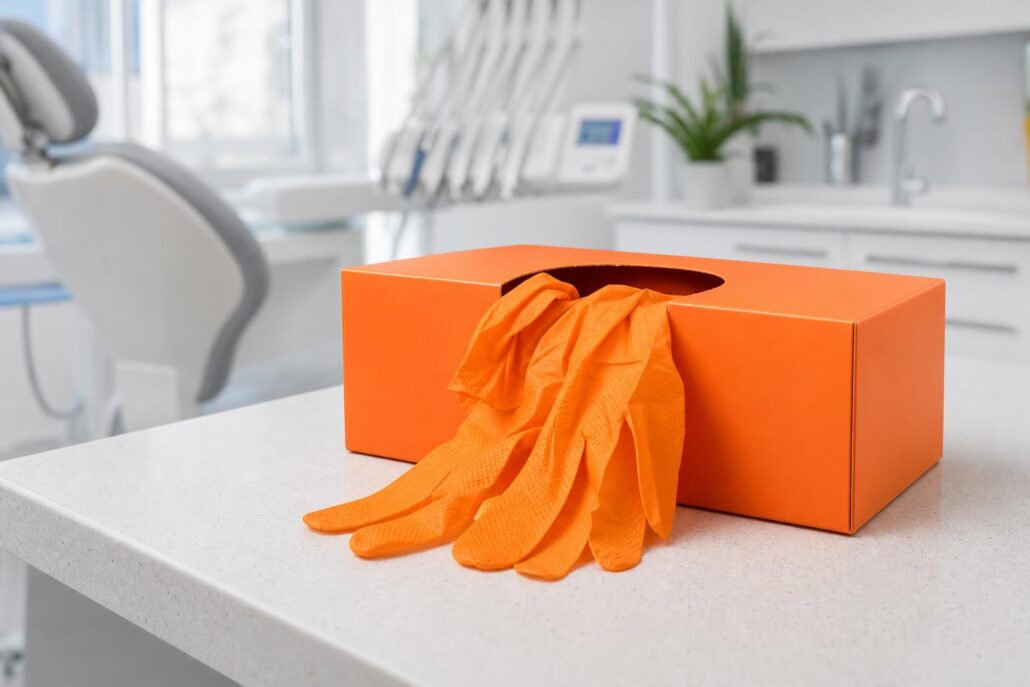
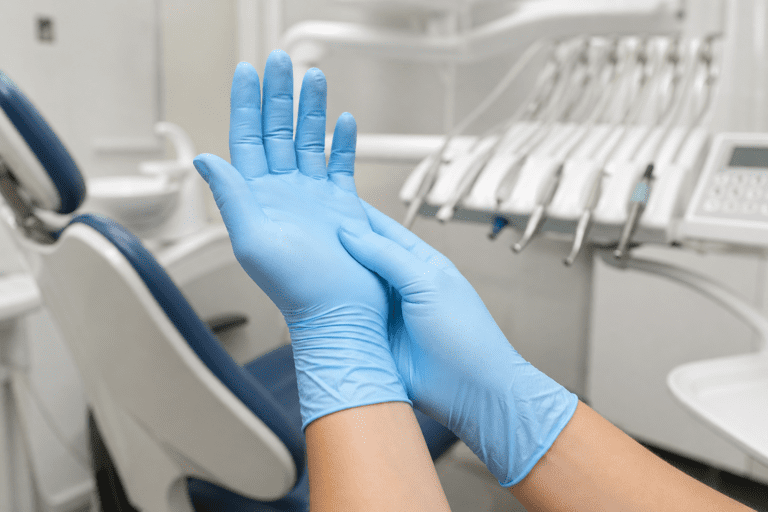
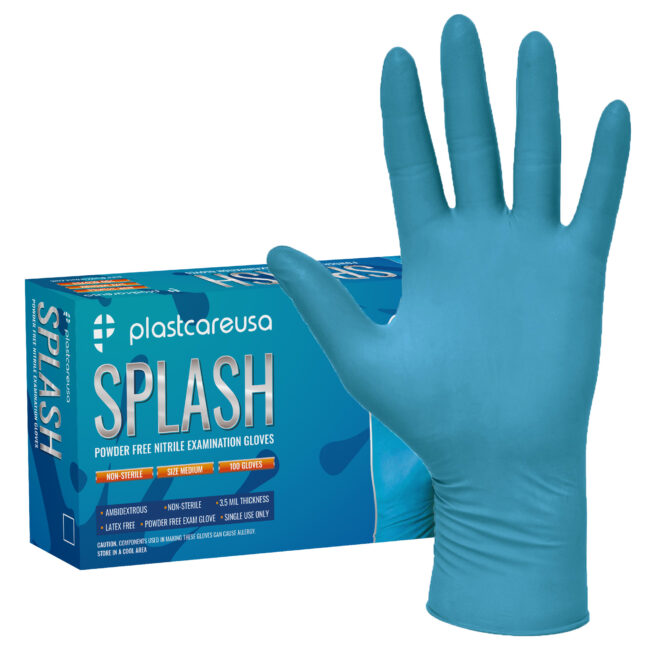
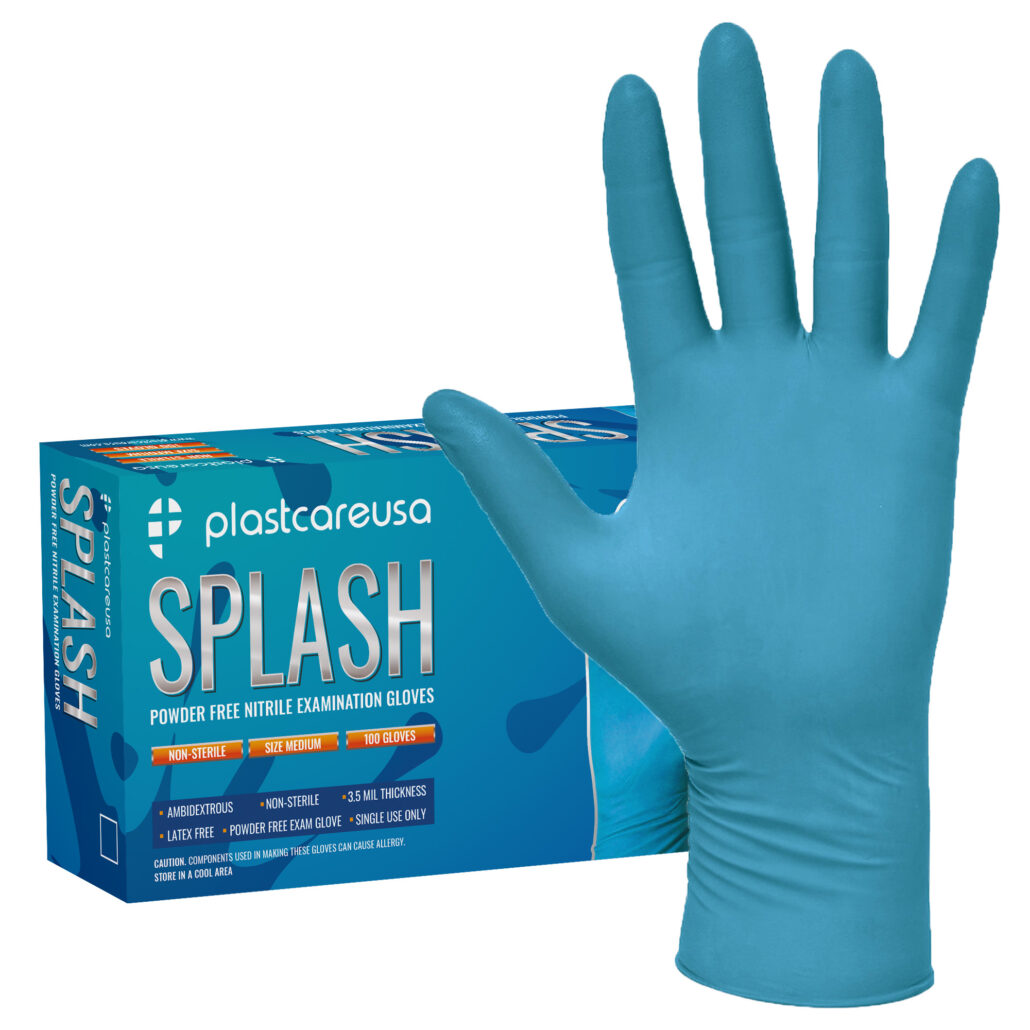
Most clinical teams reach for a standard 3.5–4.5 mil exam glove for routine patient care. But some tasks around the practice call for something sturdier. Heavy-duty 6 mil nitrile gloves, such as PlastCare USA’s Aurelia Ignite line, sit at the point where barrier protection starts to outweigh fine tactile feedback, and understanding when to use them helps protect staff hands without slowing down clinical work.
What “6 Mil” Actually Means
Mil thickness refers to the gauge of the glove material, measured in thousandths of an inch. 6 mil nitrile gloves are the entry point to heavy-duty territory in most glove thickness charts, sitting above the 3–4.5 mil range used for everyday exams and below the 8-mil-plus gloves built for industrial or chemical-heavy work. Gloves at 4 mils or 6 mils are considered medium thickness for nitrile gloves, ideal for those who need a balance of protection and dexterity. In practical terms, a 6 mil glove feels noticeably more substantial on the hand than a standard exam glove, with added resistance to tearing, abrasion, and chemical breakthrough.
Where 6 Mil Gloves Fit Into a Dental Workflow
Routine exams, hygiene visits, and most restorative work don’t require this level of thickness — a thinner glove preserves the tactile feedback clinicians rely on. Heavy-duty gloves earn their place in higher-risk or higher-exposure tasks instead. For surgical procedures, extractions, implant placements, and work involving significant force or prolonged instrument use, the extra thickness reduces hand fatigue and provides better protection against punctures from bone fragments and surgical instruments.
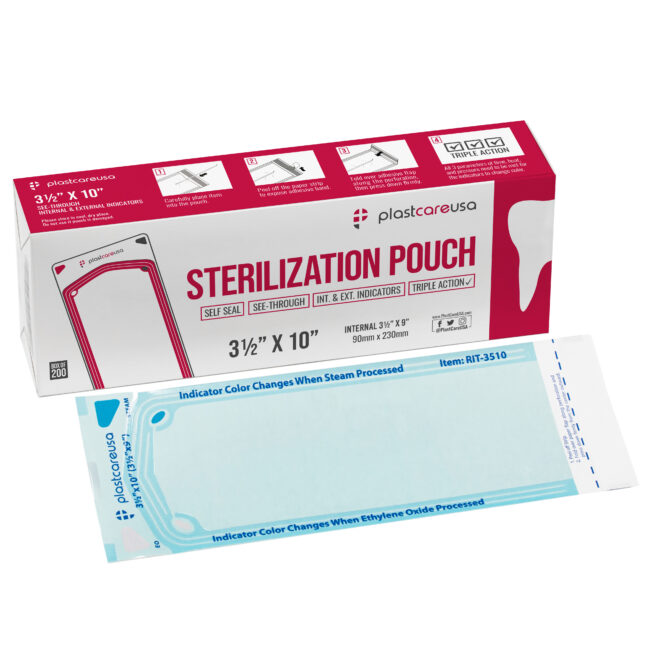
Instrument reprocessing and operatory disinfection are another common fit. Standard exam gloves are not sufficient for instrument processing; heavy-duty nitrile or rubber utility gloves rated for puncture resistance are required. CDC guidance on dental sterilization specifically calls for puncture-resistant, heavy-duty utility gloves when handling contaminated instruments, running ultrasonic cleaners, or managing disinfectants. Front-desk teams rarely need this grade, but sterilization techs, oral surgery assistants, and anyone handling full-strength disinfectant or cleaning chemicals usually do.
Choosing the Right Thickness, Size, and Fit
Thickness should match the task, not the other way around. The thin-vs-thick decision comes down to a simple tradeoff between dexterity and protection, since loss of dexterity leads to slower work and higher error rates. For most chairside dentistry, a 4–5 mil glove remains the right call; 6 mil should be reserved for the tasks described above where durability matters more than fine fingertip sensation.
A few practical selection points:
- Color coding: Many practices assign a distinct color — orange is a common choice — to heavy-duty gloves so staff can visually separate them from standard exam-grade boxes at a glance.
- Texture: A textured fingertip or palm improves grip when handling wet instruments, cleaning solutions, or slippery surfaces during reprocessing.
- Sizing: Oversized utility-style gloves can hamper fine-motor dexterity when disinfecting treatment areas or bagging instruments, so it’s worth stocking a full size run rather than defaulting to one size for the whole team.
- Powder-free construction: Keeps the glove consistent with infection control protocols used elsewhere in the practice.
It’s also worth stocking more than one thickness rather than standardizing on a single glove for every task. A facility that uses thinner gloves for exam rooms and thicker gloves for cleaning crews generally spends less overall than one that buys a single heavy-duty glove for every task.
Common Mistakes to Avoid
The most frequent error is using a heavy 6 mil glove for routine, high-dexterity chairside work, where it adds bulk without adding meaningful benefit. The opposite mistake is just as common: relying on a standard exam glove during instrument reprocessing or when handling full-strength disinfectants, which offers less puncture and chemical protection than the task requires.
Fit is another overlooked issue. A glove that’s too loose bunches at the fingertips and undermines grip precisely in the tasks — wiping down a chairside unit, loading an ultrasonic cleaner — where control matters most. Finally, treat 6 mil gloves as single-use, disposable PPE just like any other exam glove; reusing a torn or visibly soiled heavy-duty glove defeats the purpose of choosing the thicker material in the first place.
Frequently Asked Questions
What does 6 mil mean on nitrile gloves?
Mil refers to the thickness of the glove material in thousandths of an inch, so a 6 mil glove is roughly twice as thick as a standard 3 mil exam glove, offering more puncture and chemical resistance at the cost of some fingertip sensitivity.
Are 6 mil gloves too thick for routine dental exams?
For most chairside exams and hygiene visits, a thinner 4–5 mil glove is preferred because it preserves tactile feedback. 6 mil gloves are better suited to surgical assisting, instrument reprocessing, and heavy disinfectant use.
Do dental practices need heavy-duty gloves for sterilization?
Yes. Infection control guidance specifically calls for puncture-resistant, heavy-duty utility gloves when cleaning and processing contaminated instruments, since standard exam gloves aren’t rated for that level of exposure.
Why are heavy-duty nitrile gloves sometimes a different color like orange?
Many offices color-code thicker, task-specific gloves so staff can quickly tell them apart from standard exam-grade gloves without checking the box each time.
Where to Buy PlastCare USA Products
Dental practices: order PlastCare USA products through our authorized distributors — MyDDS Supply, Dental City, or the PlastCare USA Amazon store.
Distributors, DSOs and bulk buyers: for wholesale and private label pricing, request a quote or call 866-993-9993.