FDA 510(k) Clearance: What It Means for Dental Disposables

Dental offices rely on a steady stream of disposable products—gloves, masks, syringes, and more—to maintain infection control. Many of these items are regulated by the U.S. Food and Drug Administration (FDA) as medical devices, and understanding how that regulation works can help practices make informed purchasing decisions and stay compliant with federal requirements.
What Does FDA 510(k) Clearance Actually Mean?
Devices cleared under the 510(k) pathway must demonstrate that the device is “substantially equivalent” to a legally marketed device, commonly referred to as a predicate device. This is different from FDA “approval,” a term reserved for higher-risk devices that go through premarket approval (PMA). The word approval applies to high risk medical devices, while all lower risk devices are “cleared.” For most dental disposables, clearance—not approval—is the relevant regulatory milestone.
Medical devices are sorted into three classes based on risk. Medical devices are classified into Class I, II, and III, with regulatory control increasing from Class I to Class III. Most Class I devices are exempt from Premarket Notification 510(k); most Class II devices require Premarket Notification 510(k); and most Class III devices require Premarket Approval.
Which Dental Disposables Require 510(k) Clearance?
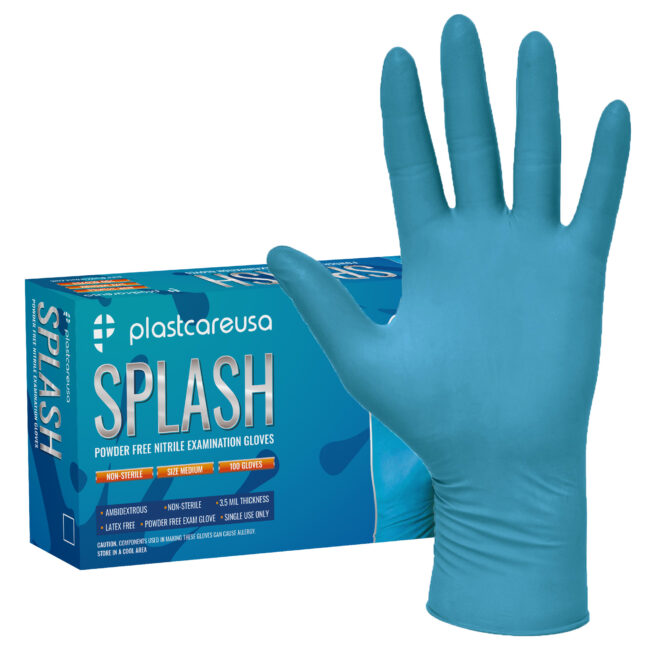
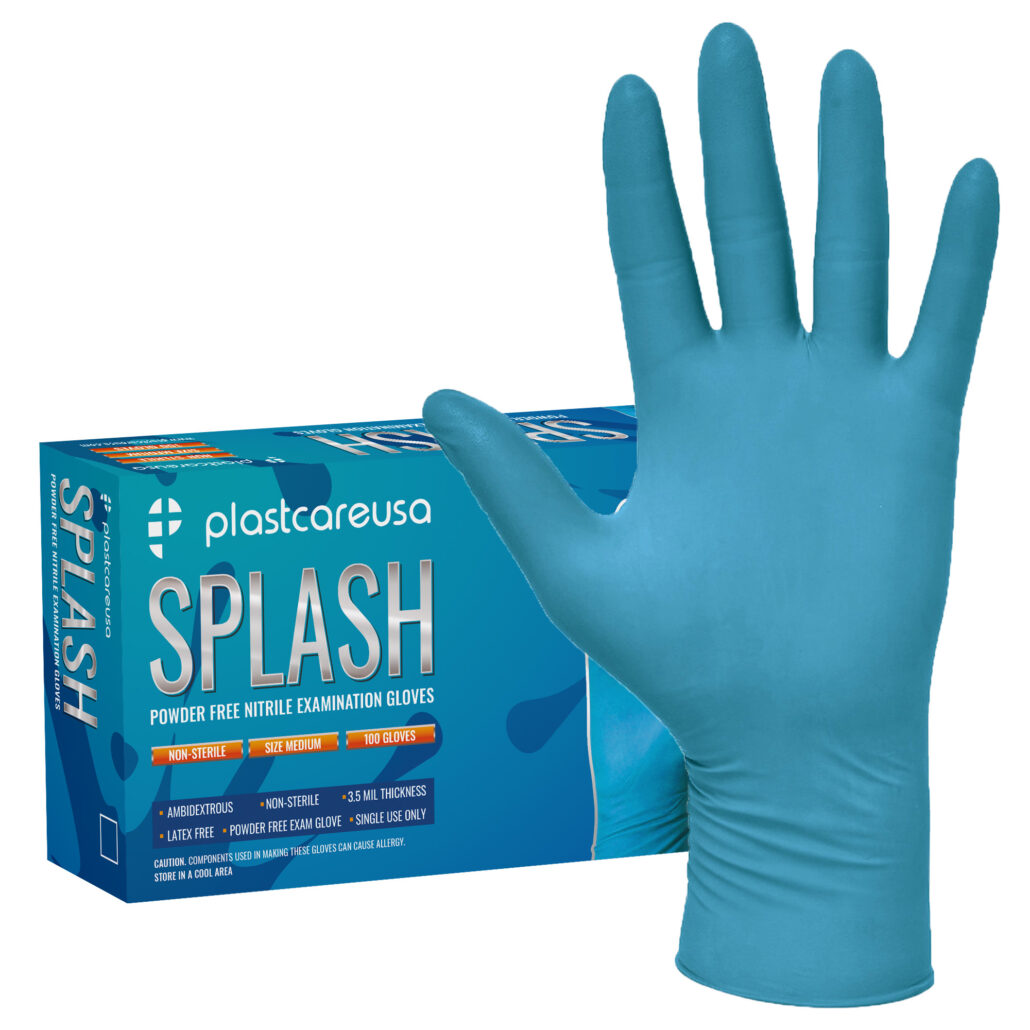
Classification doesn’t always predict exemption status, and this is where confusion often arises. Medical gloves are a key example: medical gloves are regulated by the FDA as Class I reserved medical devices that require a 510(k) premarket notification, with the FDA reviewing performance criteria such as leak resistance and biocompatibility. Surgical gloves fall under a similarly strict pathway, and FDA will not accept a 510(k) for a non-sterile surgeon’s glove, meaning surgical gloves must be distributed sterile to qualify for clearance.
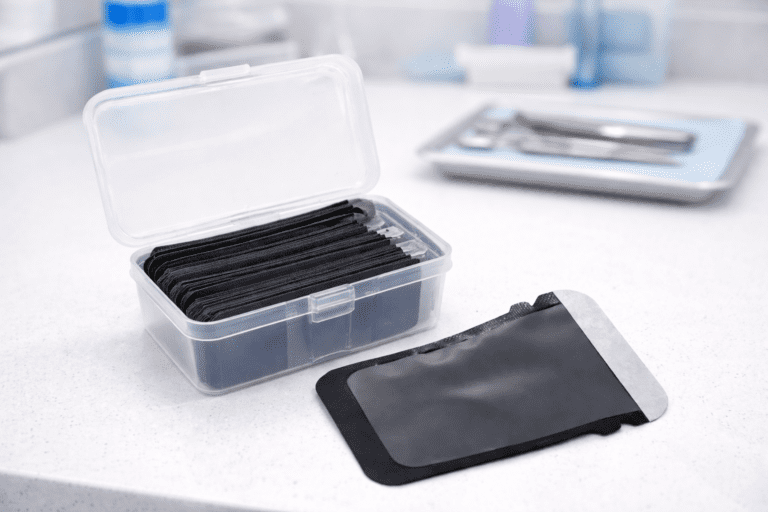
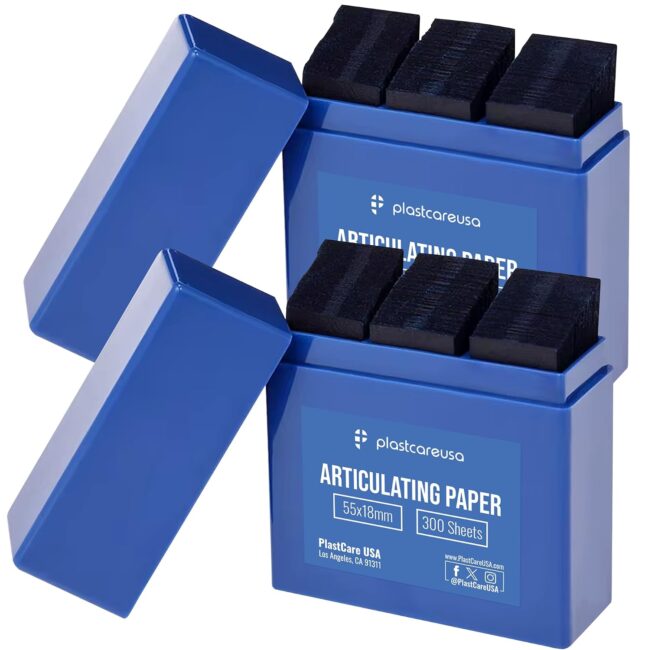
Other common chairside items, such as articulating paper, are treated differently. Articulation paper is classified as Class I (general controls) and is exempt from the premarket notification procedures, subject to certain limitations. This illustrates why device class alone isn’t a reliable shortcut—some Class I products need a 510(k) while others don’t, and exempt from 510(k) is not the same as exempt from the quality system rule, since only a portion of Class I product codes are exempt from FDA’s good manufacturing practice requirements.
How to Verify a Supplier’s Clearance Status
For office managers and buyers, the practical takeaway is to check labeling and documentation rather than assume. An exemption from the requirement of premarket notification does not mean the device is exempt from any other statutory or regulatory requirements, unless such exemption is explicitly provided by order or regulation. That means even exempt devices must still meet FDA registration, listing, and labeling obligations.
When evaluating a disposable product line—gloves, masks, syringes, or other single-use items—look for clear labeling indicating intended use (examination versus surgical, for example), confirm the manufacturer is registered with the FDA, and ask suppliers for documentation of clearance or exemption status when it’s relevant to a product’s risk classification. This is especially important for items used in sterile fields or invasive procedures, where regulatory requirements are stricter.
Why This Matters for Compliance
Understanding the clearance landscape helps dental teams make sourcing decisions that support both patient safety and regulatory compliance. Since the vast majority of medical devices are cleared under the Premarket Notification 510(k) pathway, familiarity with this process is a practical compliance skill for anyone involved in purchasing decisions, not just manufacturers. Building this knowledge into vendor vetting and inventory review processes adds another layer of due diligence to a practice’s broader infection control program.
Frequently Asked Questions
What is the difference between FDA cleared and FDA approved?
FDA "approval" applies to higher-risk devices that go through premarket approval, while lower-risk devices are "cleared" through the 510(k) pathway by showing they are substantially equivalent to an existing legally marketed device.
Do all dental disposables need FDA 510(k) clearance?
No. Some Class I devices, like articulating paper, are exempt from 510(k) requirements, while others, like examination and surgical gloves, are classified as reserved devices that still require clearance even though they’re Class I.
How can I check if a dental supply product has FDA clearance?
Review the product labeling for its intended use and device classification, and ask the manufacturer or supplier for documentation confirming registration, listing, and clearance or exemption status.
Why do surgical gloves need stricter FDA clearance than exam gloves?
Surgical gloves must be distributed sterile and are evaluated against stricter performance criteria because they’re used in invasive procedures, so FDA will not accept a 510(k) for a non-sterile surgeon’s glove.
Where to Buy PlastCare USA Products
Dental practices: order PlastCare USA products through our authorized distributors — MyDDS Supply, Dental City, or the PlastCare USA Amazon store.
Distributors, DSOs and bulk buyers: for wholesale and private label pricing, request a quote or call 866-993-9993.