OSHA Sharps Container Rules Every Dental Office Must Follow
Every dental practice generates waste that falls outside the scope of ordinary trash. Knowing exactly which items qualify as “regulated medical waste,” how they must be contained, and how long they can legally sit in your sterilization room is not optional guidance — it is a federal requirement under OSHA’s Bloodborne Pathogens Standard, with additional layers added by state environmental agencies. Getting this wrong doesn’t just risk a citation; it increases the chance of a needlestick injury or bloodborne pathogen exposure for your team.
What Counts as Regulated Medical Waste in a Dental Office
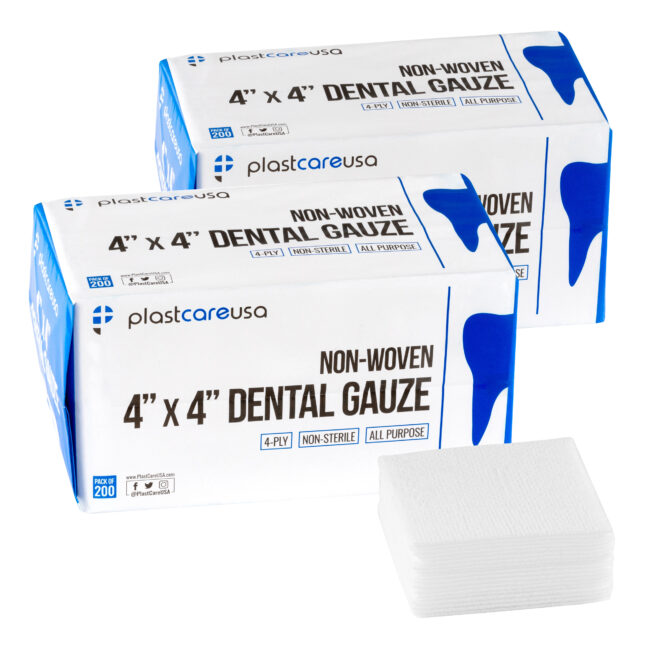
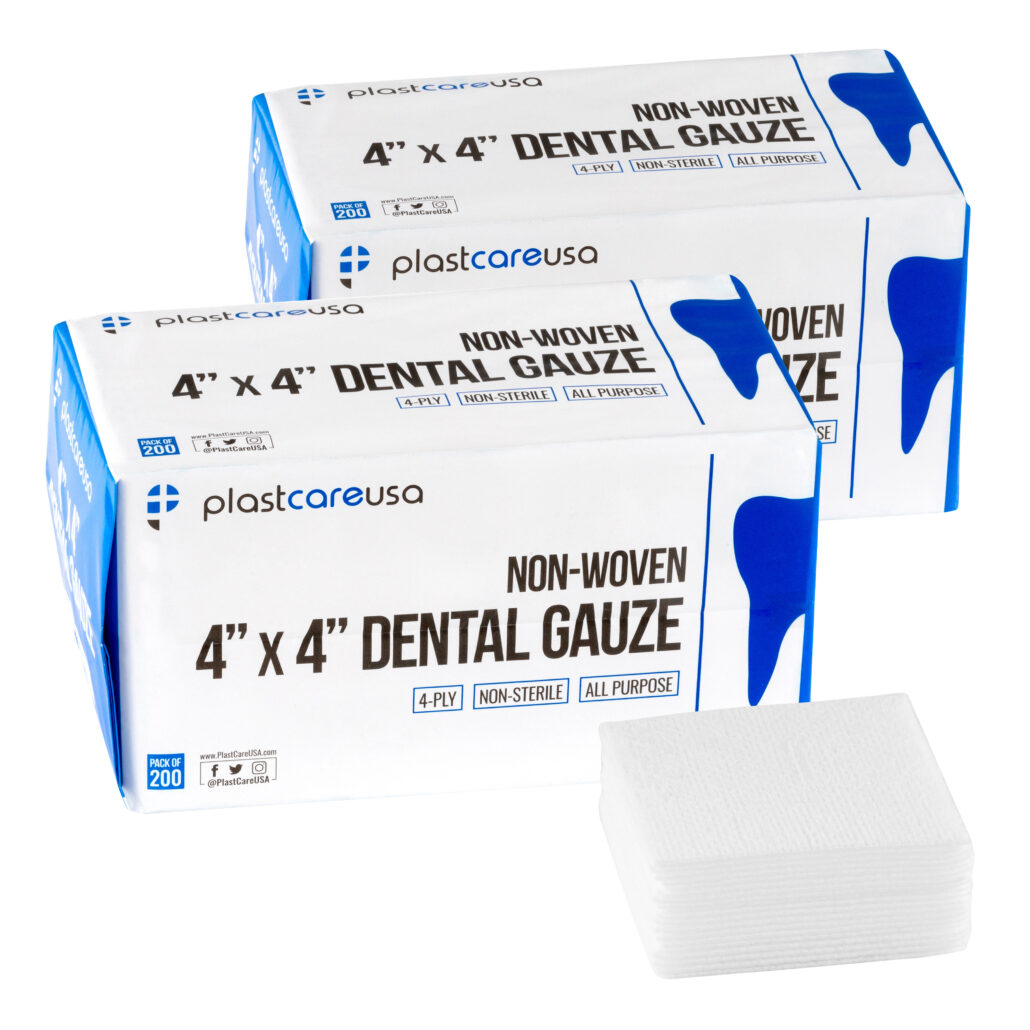
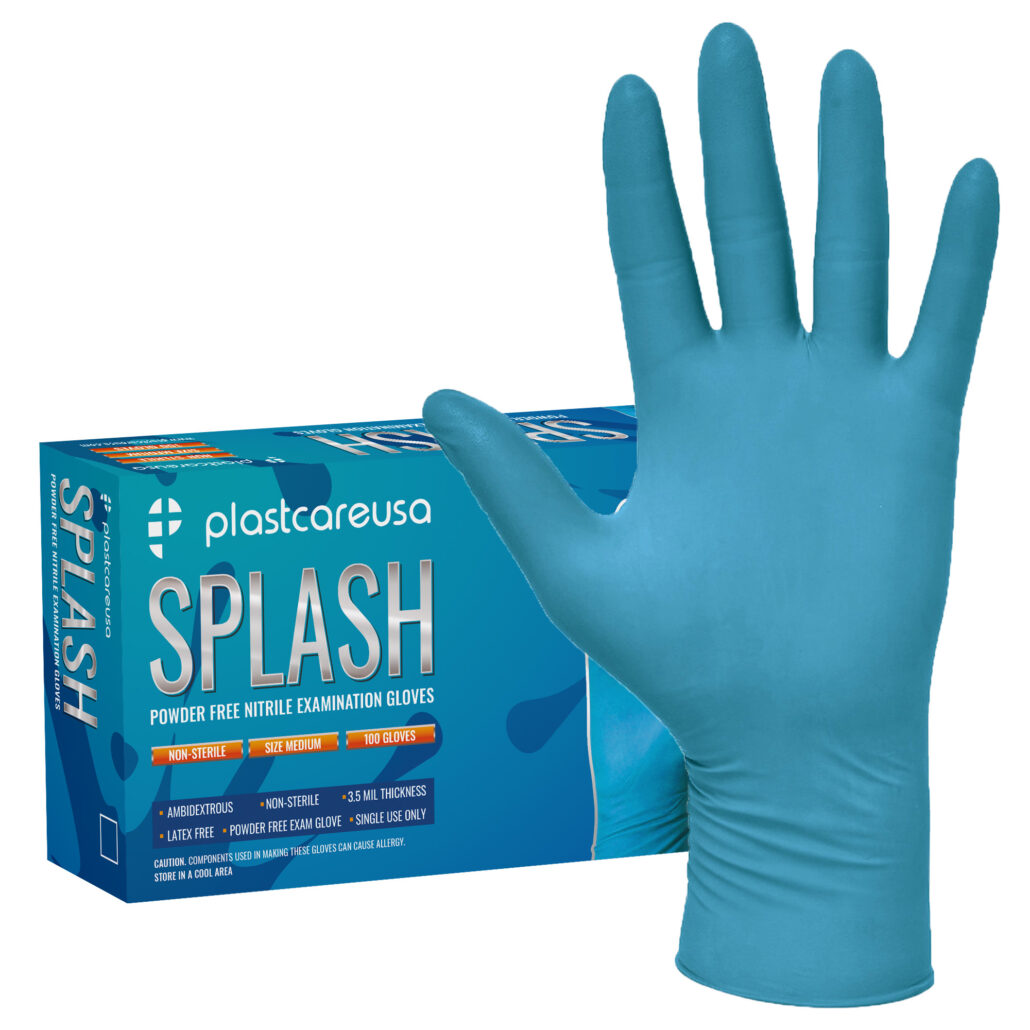
Not everything touched by saliva or blood needs special handling. Most waste generated in the dental setting, such as bibs, gauze, and gloves, can go out with the general trash because it will not release blood, though it should be disposed of in a manner that prevents accidental contact. The waste that does require special treatment is anything that can release blood or other potentially infectious material (OPIM) when compressed or handled — soaked gauze, extracted teeth with attached soft tissue, and anything capable of dripping, flaking, or pouring once dried.
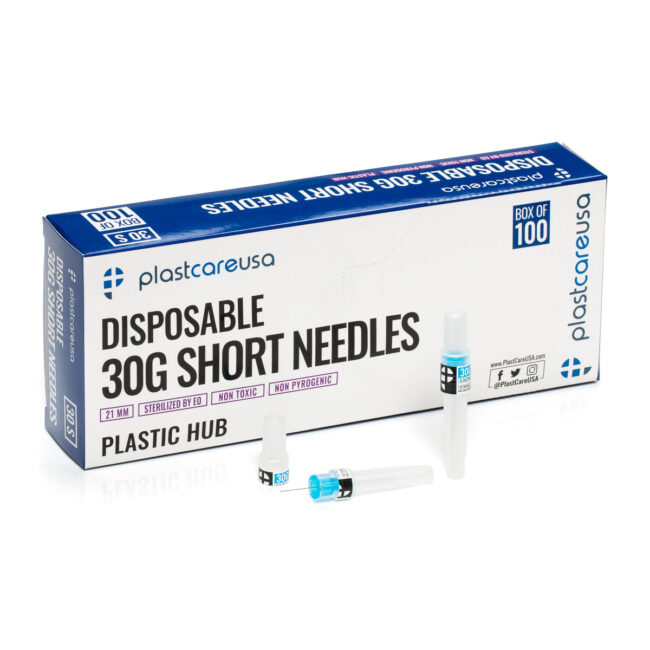
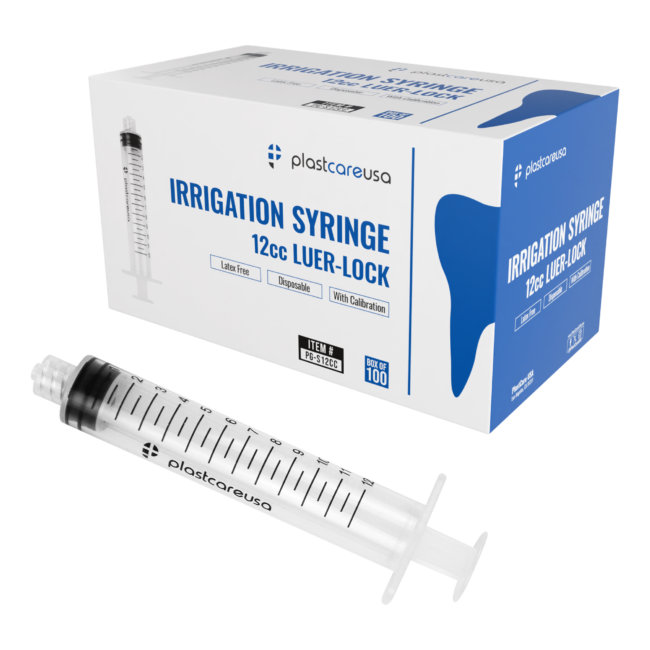
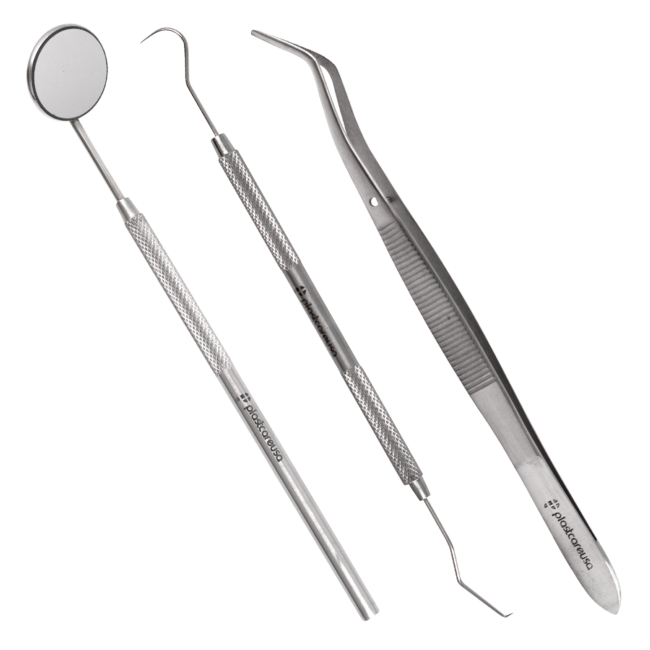
Common sharps in dental practices include needles, scalpel blades, broken glass, orthodontic wires, and endodontic files — all items capable of puncturing skin must be treated as regulated medical waste, regardless of visible contamination. Contaminated disposable sharps comprise the majority of regulated medical waste in dental practices.
Container Requirements Under OSHA’s Bloodborne Pathogens Standard
OSHA has specific requirements for sharps containers in dental offices under the Bloodborne Pathogens Standard, 29 CFR 1910.1030, designed to protect dental healthcare personnel from exposure to bloodborne pathogens such as HIV, hepatitis B virus, and hepatitis C virus. Containers must meet several specific construction criteria:
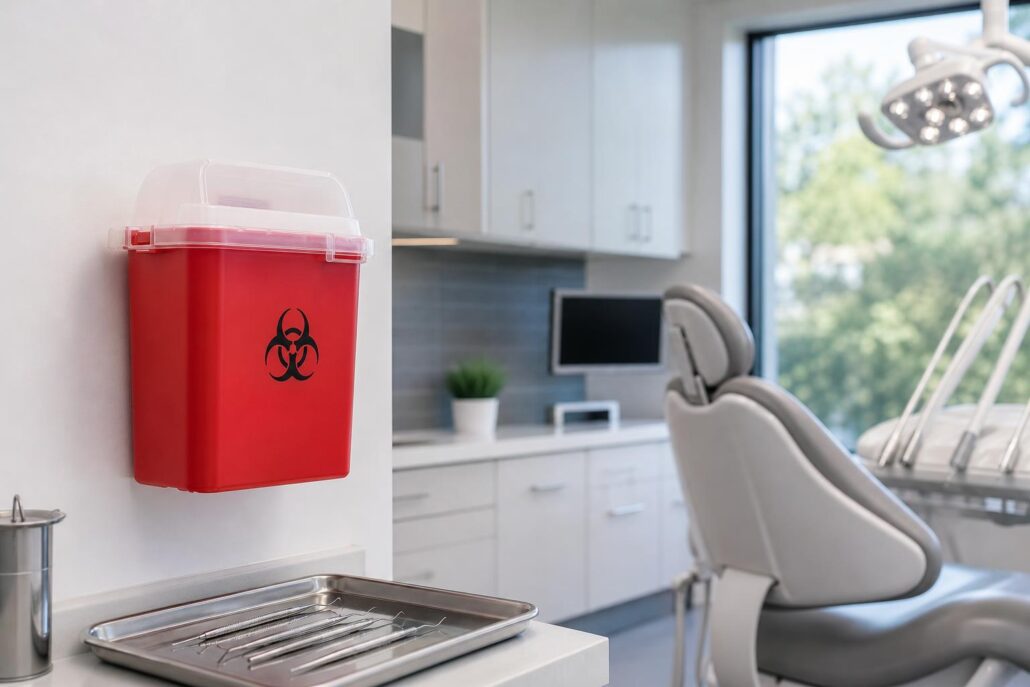
- Closable, puncture-resistant, leakproof on sides and bottom, labeled or color-coded with a biohazard symbol and the word “biohazard,” and designed to prevent hand entry.
- Easily accessible and located as close as feasible to the area where sharps are used, such as in each operatory.
- Containers should be kept upright throughout use.
On color and labeling, OSHA gives practices some flexibility. The specification requires labels that are fluorescent orange or orange-red, with lettering and symbols in a contrasting color, carrying the biohazard symbol. OSHA does not require a single specific color for the container itself — it requires either that warning label, or, as a substitute, a red bag or red container. Many offices simply standardize on red containers to keep training simple and avoid ambiguity during an inspection.
Fill levels matter as well. Containers should never be overfilled beyond the fill line — seal and dispose of them once they reach roughly three-quarters full. Overfilled containers are one of the most common findings during compliance reviews because they increase the risk of a needlestick during disposal.
Storage, Hauling, and Documentation
Once a sharps container is sealed, it cannot simply go in the dumpster in most jurisdictions. Federal and state regulations classify contaminated sharps as regulated medical waste requiring specialized disposal through licensed haulers. Most states require dental practices to maintain disposal logs and use only licensed medical waste transporters. Storage time limits vary by state, but most states require biomedical waste disposal within 7-30 days of initial accumulation, depending on storage volume.
Because state rules differ so widely, it’s worth confirming your local requirements directly rather than assuming a national standard applies uniformly. Some states require dental offices to register as medical waste generators and obtain permits, while others only regulate the haulers — contacting your state environmental agency or dental board is the best way to confirm specific requirements for your jurisdiction.
Building Compliance Into Daily Workflow
The most reliable way to stay compliant is to make correct segregation automatic rather than something staff have to think about mid-procedure. Placing a properly labeled sharps container within arm’s reach in every operatory, training new hires on container use during onboarding, and reviewing your written Exposure Control Plan annually all reduce the chance of a mishandled sharp or a missed log entry. As with other elements of your bloodborne pathogens program, documentation of staff training should be kept on file and updated whenever protocols or local regulations change.
Sharps and regulated waste management is a small part of a much larger infection control program, but it is one of the few areas where a single oversight — an overfilled container, an unlabeled bag, a missed hauler pickup — can translate directly into a staff injury or a compliance finding. Treating it as a standing operational priority, not an afterthought, protects both your team and your practice.
Frequently Asked Questions
What items in a dental office must be treated as regulated medical waste?
Sharps such as needles, scalpel blades, and endodontic files must always be treated as regulated waste, along with any gauze, cotton, or other materials that are soaked or saturated enough to drip, pour, or flake blood once dry. Items like used gloves, masks, and lightly soiled bibs typically do not require special handling and can go into regular trash.
What color does a dental sharps container have to be?
OSHA does not mandate one specific container color; it requires either a fluorescent orange or orange-red biohazard label with contrasting lettering, or a red container or bag as a substitute. Many practices simply standardize on red containers to simplify staff training and inspections.
How full can a sharps container get before it needs to be replaced?
Sharps containers should be sealed and replaced once they reach about three-quarters full, well before sharps reach the opening. Overfilling is one of the most common compliance findings and significantly increases the risk of a needlestick injury during disposal.
Who is allowed to pick up and dispose of dental sharps waste?
Regulated medical waste, including sealed sharps containers, must generally be collected by a licensed medical waste hauler rather than placed in general trash. Many states also require practices to keep disposal logs and, in some cases, register as a medical waste generator.
Where to Buy PlastCare USA Products
Dental practices: order PlastCare USA products through our authorized distributors — MyDDS Supply, Dental City, or the PlastCare USA Amazon store.
Distributors, DSOs and bulk buyers: for wholesale and private label pricing, request a quote or call 866-993-9993.